
Why Robust Microbial Ingress Testing Matters
A practical framework for evaluating connector sterile barrier performance
Why Robust Microbial Ingress Testing Matters
A practical framework for evaluating connector sterile barrier performance
Overview
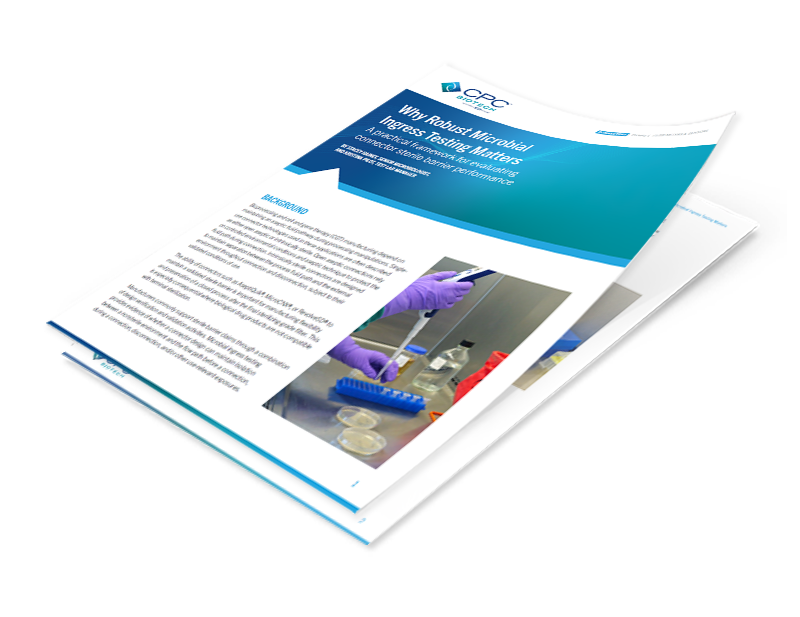
Microbial ingress testing should do more than document a passing result
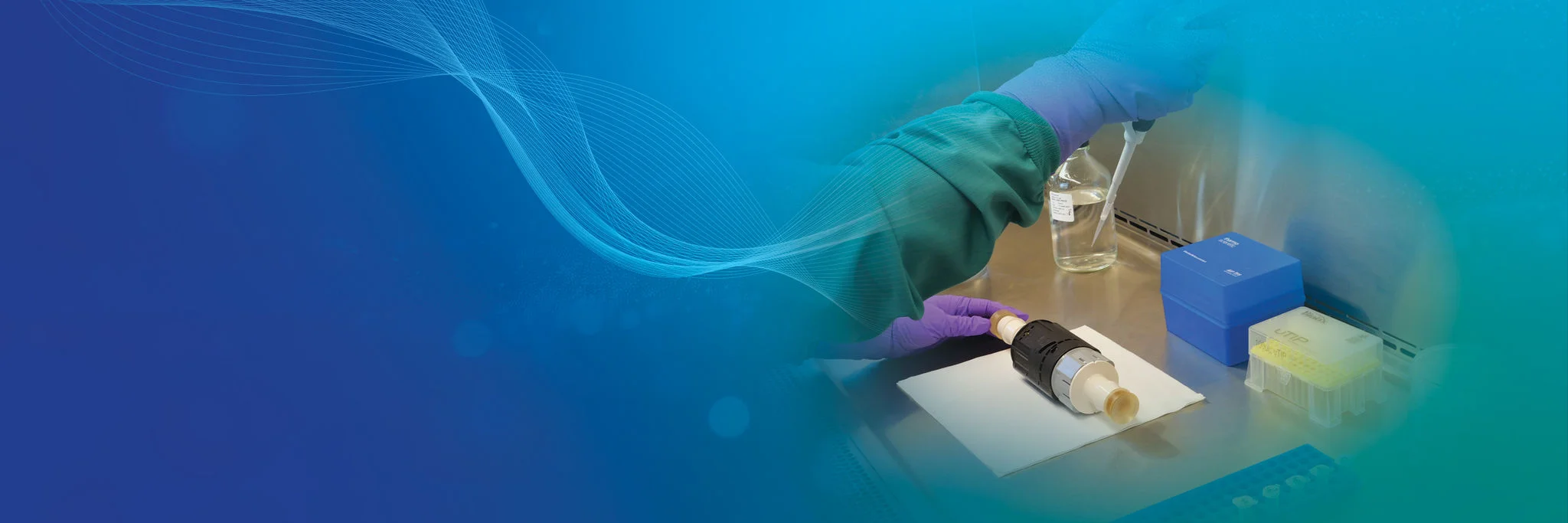
Bioprocessing and cell and gene therapy (CGT) manufacturing depend on maintaining an aseptic fluid pathway during processing manipulations. Single-use connector technologies used in these applications are often described as either open aseptic or intrinsically sterile. Open aseptic connections rely on controlled environmental conditions and aseptic technique to protect the fluid path during connection. Intrinsically sterile connectors are designed to maintain separation between the process fluid path and the external environment throughout connection and disconnection, subject to their validated conditions of use.
The ability of connectors such as AseptiQuik®, MicroCNX®, or RevolveSD® to maintain a validated sterile barrier is important for manufacturing flexibility and preservation of a closed process after the final sterilizing-grade filter. This is especially consequential where biological drug products are not compatible with terminal sterilization.
Implementing an uncompromising microbial ingress challenge directly into early product development ensures that connectors are engineered to survive worst-case stressors and safeguarding high-value therapies generated through bioprocessing. Understand the practical approach CPC Biotech takes for evaluating sterile barrier performance.
Learn about CPC Biotech’s rigorous standard for evaluating aseptic connection and disconnection technologies that help biopharmaceutical manufacturers build confidence in the integrity of their fluid paths under validated conditions of use.
Additional Resources
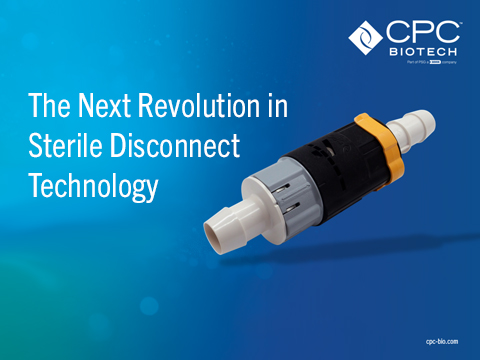
Simplifying Sterile Fluid Disconnection
Learn how innovative sterile disconnection technology can improve high-volume fluid handling by removing the need for bulky tools and extra equipment, enhancing operator safety...
Episode 6: Deep Dive into Annex 1
In Episode 6, Todd Andrews brings in an aseptic processing and sterility assurance expert, Mr. Will Peterson founder of Peterson Sterility Assurance, LLC. to breakdown Annex 1's intrinsic sterile connection devices, the new terms, and what is leaves off.
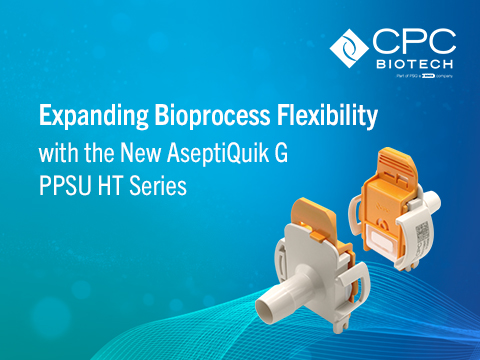
Expanding Bioprocess Flexibility
In this webinar, CPC Biotech experts will highlight use cases across chromatography, filtration, purification, and column storage, along with key benefits including seamless integration with existing AseptiQuik G systems, sterilization flexibility...


 Toll-Free:
© 2026 CPC Biotech. ALL RIGHTS RESERVED.

© 2026 CPC Biotech. ALL RIGHTS RESERVED.